Is Your Construction Fleet Falling Behind? Here’s How to Fix It Fast!
How Fleet Performance Reporting Can Skyrocket Your Construction Business
Fleet performance reporting can change your construction business by optimizing operations and maximizing profitability. You'll track key metrics like fuel efficiency, asset utilization, and maintenance costs to make data-driven decisions. Implementing a strong reporting system allows you to identify inefficiencies, predict maintenance needs, and optimize route planning. This leads to significant cost reductions through improved fuel efficiency, proactive maintenance, and safer driving practices. By leveraging analytics and staying ahead of industry trends, you'll future-proof your business and gain a competitive edge. Uncover how this powerful tool can alter your construction operations and drive remarkable growth.
Key Takeaways
- Fleet performance reporting optimizes operations, maximizes profitability, and ensures compliance in construction businesses.
- Tracking key metrics like fuel efficiency and asset utilization leads to cost savings and increased productivity.
- Implementing the right software and training staff effectively enhances data-driven decision-making capabilities.

how to track construction fleets
- Proactive maintenance scheduling and vehicle utilization optimization extend equipment lifespan and reduce operational costs.
- Driver training programs and safety monitoring improve overall fleet performance and lower insurance premiums.
Understanding Fleet Performance Reporting

construction equipment fleet monitoring
When it comes to managing a construction business, understanding fleet performance reporting is essential for optimizing operations and maximizing profitability. tracking construction vehicle fleets. Fleet performance reporting involves collecting and analyzing data on various aspects of your vehicle fleet to make informed decisions and improve efficiency
Key components of fleet performance reporting include fleet utilization, maintenance tracking, driver behavior, and fuel efficiency. By monitoring these metrics, you'll gain knowledge into how effectively your assets are being used and identify areas for improvement. Maintenance tracking helps prevent unexpected breakdowns, ensuring your fleet remains operational and safe.
learn about fleet tracking systems
Driver behavior analysis can highlight areas where additional training may be needed to improve safety and reduce fuel consumption (tracking construction vehicle fleets). Fuel efficiency tracking allows you to identify vehicles that may need maintenance or replacement, ultimately extending asset lifespan
Compliance monitoring is another significant aspect, ensuring your fleet meets all regulatory requirements. By establishing operational benchmarks and conducting regular performance analysis, you'll be able to measure progress and make data-driven decisions to enhance your fleet's productivity and safety.
Implementing a strong fleet performance reporting system will help you streamline operations, reduce costs, and maintain a competitive edge in the construction industry. tracking construction vehicle fleets.
Key Metrics to Track
To effectively implement fleet performance reporting, you'll need to focus on specific key metrics. These data points will provide important understandings into your construction fleet's efficiency, safety, and overall performance. By tracking and analyzing these metrics, you'll be able to make informed decisions that can greatly improve your operations and bottom line.
Here are four essential metrics to monitor: - tracking construction vehicle fleets
Fuel efficiency: Track fuel consumption per vehicle to identify opportunities for cost savings and reduce environmental impact.
Asset utilization: Measure how effectively your equipment is being used to maximize productivity and minimize idle time.
Maintenance and repair costs: Monitor expenses related to vehicle upkeep to optimize maintenance schedules and prevent costly breakdowns.
Driver performance and safety compliance: Evaluate operator behavior, including adherence to safety protocols and efficient driving practices.
Implementing vehicle tracking systems can help you gather accurate data on operational downtime, enabling you to identify bottlenecks and improve workflow. By consistently monitoring these metrics, you'll be better equipped to enhance your fleet's performance, reduce costs, and maintain a safe working environment. Remember, data-driven decision-making is key to optimizing your construction fleet's efficiency and effectiveness.
Implementing a Reporting System
To implement an effective fleet performance reporting system (tracking construction vehicle fleets), you'll need to choose the right software that aligns with your construction business needs. Select a platform that integrates seamlessly with your existing systems and offers customizable dashboards for easy data visualization. Once you've chosen your software, invest time in training your staff thoroughly, ensuring they understand how to input data accurately and interpret the resulting reports for maximum efficiency gains
Choosing the Right Software
Selecting the right fleet performance reporting software is vital for maximizing your construction business's efficiency. When reviewing options, consider key software features that align with your specific needs. Look for a user-friendly interface (tracking construction vehicle fleets) that allows easy maneuvering and data interpretation. Evaluate the integration capabilities with your existing systems to guarantee seamless data flow. Scalability options are significant for accommodating your business's growth
enhancing construction fleet operations
When choosing fleet performance reporting software, prioritize: - tracking construction vehicle fleets
Strong security measures to protect sensitive data
Thorough vendor support for troubleshooting and updates
Cost considerations, including initial investment and ongoing fees
Customization potential to tailor the software to your unique requirements
Examine each option's ability to generate actionable knowledge from your fleet data. Consider how the software can help improve safety protocols and reduce operational risks. Look for features that enable real-time monitoring and alerts for critical issues. Confirm the software can generate detailed reports on fuel efficiency, maintenance schedules, and driver behavior. By carefully evaluating these factors, you'll select a fleet performance reporting solution that drives efficiency, enhances safety, and contributes to your construction business's success.
Training Staff Effectively
After choosing the right software, your next step is effectively training your staff to implement the new fleet performance reporting system. Begin by developing a thorough training program that covers all aspects of the software, including data input, report generation (tracking construction vehicle fleets), and analysis. Employ various training techniques to cater to different learning styles, such as hands-on workshops, video tutorials, and written guides
Prioritize staff engagement throughout the training process. Explain the benefits of the new system, emphasizing how it will improve safety and efficiency in their daily tasks. Encourage questions and provide ample opportunities for practice. Assign mentors to guide less tech-savvy employees, making sure no one falls behind.
Implement a phased approach to training, starting with key personnel and gradually expanding to the entire team. This allows for smoother adoption and troubleshooting. Conduct regular check-ins. tracking construction vehicle fleets and refresher courses to reinforce learning and address any challenges

improving construction fleet performance
To maximize the system's effectiveness, train staff on data interpretation and decision-making based on the reports generated. This enables them to take proactive measures in improving fleet performance and safety. Regularly assess the training program's effectiveness through feedback and performance metrics, making adjustments as needed to promote continuous improvement.
Data-Driven Decision Making
real-time tracking for construction fleets
While intuition and experience play a role in fleet management, data-driven decision making is the cornerstone of effective fleet performance reporting - tracking construction vehicle fleets. By leveraging data analytics, you'll gain significant understandings into your fleet's operations, enabling performance optimization and informed choices. This approach allows you to:
Identify inefficiencies and bottlenecks in your fleet operations
Predict maintenance needs, reducing unexpected breakdowns
Optimize route planning for fuel efficiency and timely deliveries
Improve driver safety through behavior analysis
Implementing data-driven strategies requires a systematic approach - tracking construction vehicle fleets. Start by defining clear key performance indicators (KPIs) that align with your construction business goals. Collect relevant data from various sources, including telematics devices, fuel cards, and maintenance records. Use advanced analytics tools to process this information and generate actionable knowledge
Cost Reduction Strategies
Implementing cost reduction strategies is essential for maximizing your fleet's profitability in the construction industry. By analyzing fleet performance data, you can identify key areas for improvement and implement targeted cost-saving measures.
Focus on enhancing fuel efficiency through route optimization. tracking construction vehicle fleets and driver behavior monitoring. Implement real-time tracking to minimize idle time and reduce unnecessary fuel consumption. Develop a thorough maintenance scheduling system to prevent costly breakdowns and extend vehicle lifespans. This proactive approach will considerably decrease repair costs and equipment downtime
Optimize vehicle utilization (construction fleet performance reporting) by assigning the right equipment to each job, avoiding over- or under-utilization. Conduct regular cost analysis to identify underperforming assets and make informed decisions about equipment replacement or disposal. Consider the impact of equipment depreciation on your fleet's overall value and adjust your asset management strategy accordingly
Invest in driver training programs - tracking construction vehicle fleets to improve safety, reduce accidents, and lower insurance premiums. Implement telematics systems to monitor driver behavior, encouraging safer and more efficient driving habits. By addressing these key areas, you'll create a leaner, more efficient fleet that contributes directly to your construction business's bottom line
Future-Proofing Your Construction Business
To future-proof your construction business, you'll need to stay ahead of industry trends and technological advancements. Implementing sustainability practices and ensuring regulatory compliance are essential steps in this process. By embracing technological advancements, you'll improve workforce management, equipment maintenance, and overall operational efficiency.
Conducting regular risk assessments and staying informed about market trends will help you make data-driven decisions and adapt to changing conditions. tracking construction vehicle fleets. Financial forecasting. fleet vehicle tracking installations enables you to anticipate challenges and opportunities, ensuring your business remains resilient in the face of economic fluctuations
To effectively future-proof your construction business, focus on:
Adopting sustainable building practices and materials
Investing in advanced equipment and software for improved productivity
Developing a skilled workforce through continuous training and education
Implementing data analytics for better decision-making and resource allocation
Frequently Asked Questions
construction fleet performance reporting
How Often Should Fleet Performance Reports Be Generated?
You should generate fleet performance reports weekly or monthly, depending on your operational needs. find out here. Set clear performance benchmarks and adjust reporting frequency accordingly. Regular monitoring guarantees you're staying on top of safety and efficiency metrics for your fleet
Can Fleet Performance Reporting Be Outsourced to Third-Party Companies?
Yes, you can outsource fleet performance reporting to third-party companies. tracking construction vehicle fleets. This offers benefits like expert analysis and time savings. Make sure the provider prioritizes data accuracy and security. You'll gain significant understanding without straining your internal resources
What Software Integrations Are Essential for Effective Fleet Performance Reporting?
You'll need to integrate data visualization tools and real-time analytics software for effective fleet performance reporting. These essential integrations will help you monitor safety metrics, optimize efficiency, and make data-driven decisions to enhance your fleet's overall performance.
How Can Small Construction Businesses Afford Advanced Fleet Performance Reporting Systems?
Did you know 60% of small businesses fail within 3 years? You can avoid this by exploring cost-effective solutions for fleet reporting - tracking construction vehicle fleets. Consider budget-friendly options like cloud-based software, telematics devices, or partnerships with larger companies to access advanced systems safely
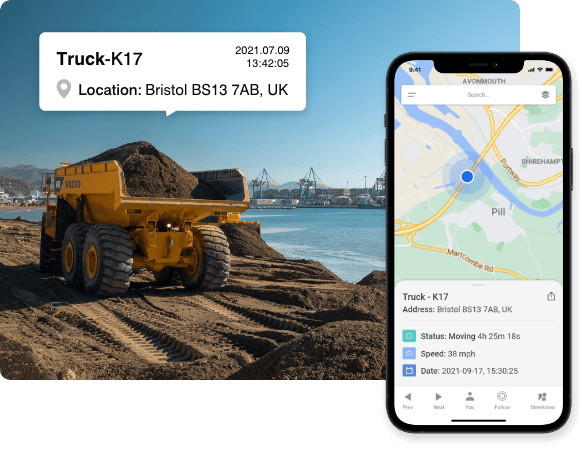
real-time fleet data for construction
What Privacy Concerns Should Be Addressed When Implementing Fleet Performance Tracking?
You'll need to prioritize data security and obtain employee consent - improving fleet operations in construction. Implement strong encryption, limit access to sensitive information, and clearly communicate tracking purposes. Establish policies for data retention and deletion to protect privacy while maintaining efficiency
Conclusion
You've now unveiled the superpower of fleet performance reporting! Your construction business will skyrocket to unparalleled heights, leaving competitors in the dust. With laser-focused metrics and an innovative reporting system, you'll make decisions at lightning speed. Watch as costs plummet and efficiency soars through the roof (tracking construction vehicle fleets). By embracing this data-driven approach, you're not just future-proofing your business – you're revolutionizing the entire industry. Get ready for exponential growth and extraordinary success!